
Solo hiking is great, but there’s a specific kind of experience you get on a guided hiking tour that you simply can’t replicate with a downloaded GPX file and a packet of Hobnobs. A good guide doesn’t just stop you getting lost — they tell you why the ridge you’re standing on looks the way it does, what lived in the valley below it 3,000 years ago, and exactly which pub at the end of the route does the best pie. That’s a different kind of day out.
Britain happens to be one of the best places in the world to explore on foot. England and Wales alone have around 3,600 miles of designated National Trail The Beach Guide, plus Scotland’s 29 Great Trails adding another 1,900 miles of waymarked routes. Watersports
Pro Around 19 million adults in England walk for leisure every month Windsurfing UK — more than three times the number who cycle or swim. It’s the country’s most popular outdoor activity by a considerable margin, and the infrastructure for guided hiking tours has never been better.
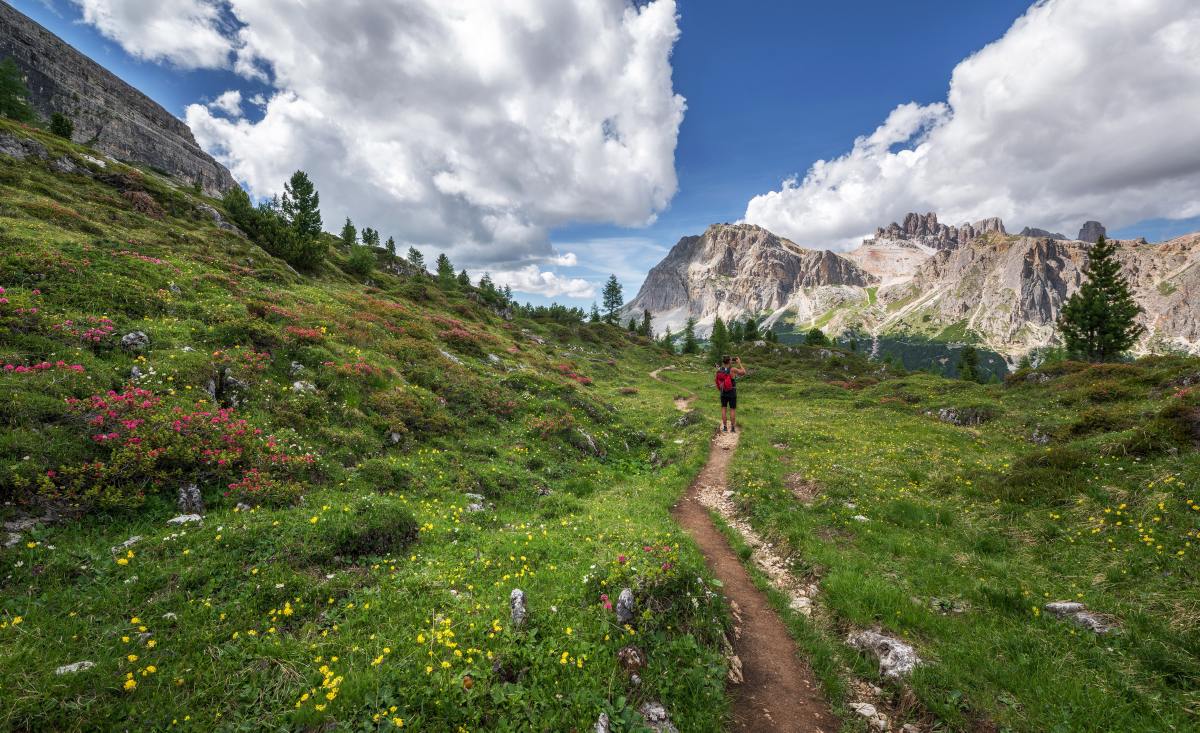
Why go guided rather than solo?
There’s no shame in wanting a guide. The honest reason most people book a guided hiking tour isn’t because they can’t navigate — it’s because a good guide makes the day richer. They know which path has the best views, they carry the first aid kit, and they tend to know whether the weather is genuinely about to turn or just looking dramatic.
It matters more in unfamiliar terrain. Weather in upland environments can turn quickly, and going unprepared without waterproofs, a compass, a map, and a torch is a real risk on more serious routes. Windsurferclass On a guided tour, that preparation is built in. You just need to show up.
Where guided hiking tours in the UK actually shine
Bannau Brycheiniog (Brecon Beacons), Wales — Formerly known as the Brecon Beacons, the national park’s Welsh name was officially restored in recent years, a nod to the area’s deep roots. The mountains here have seen ancient tribes, Roman conquerors, and medieval lords pass through Efoilhaylingisland, and the landscape still carries that weight — flat-topped peaks, glacial lakes, and valleys carved by ice. Pen y Fan, at 886m, is the highest point in southern Britain Ukwindsurfing, and the routes around it range from busy, well-worn paths to quieter northern approaches that most visitors miss entirely.
If you want to avoid the crowds on Pen y Fan, a guided hike takes you up the less-travelled northern route, away from the busier paths from Storey Arms. Hayling Island Site The park’s Waterfall Country in the south is another highlight — a guided walk through here ticks off multiple cascades, including routes where you can walk directly behind a waterfall. That’s the kind of thing that’s hard to find if you’re following a standard OS map on your own.
Snowdonia (Eryri), Wales — Approximately 4.3 million people visit Snowdonia each year. Ukwindsurfing At 823 square miles it’s Wales’s largest national park, and the variety of terrain means there’s a guided tour here for every level — from gentle valley walks past Arthurian legend sites to multi-day routes like the Snowdonia Way, which runs 97 miles from Machynlleth to Conwy.
The Lake District, England — The Lakes have been drawing hikers since the Romantic movement of the early 19th century, when poets like Wordsworth and Coleridge were tramping the fells and writing about them. Today the fell-walking tradition is still very much alive. A guided tour here is particularly good for people who want to get off the well-worn Helvellyn and Scafell Pike routes and into the quieter corners — the lesser-known tarns, the old drovers’ roads, the long views east toward the Pennines.
The Pennine Way — Britain’s first long-distance path was proposed by journalist Tom Stephenson in 1935 and finally opened in 1965 UKSA after three decades of campaigning for public access. It runs 268 miles from Edale in Derbyshire to Kirk Yetholm in Scotland. Multi-day guided sections of the Pennine Way are a strong option for people who want a proper challenge without navigating the whole thing independently.
What to look for when booking a hiking tour
Check that guides hold a relevant qualification — Mountain Leader (ML) for UK mountain and moorland terrain, or Walking Group Leader (WGL) for lower-level routes. Both are awarded through Mountain Training and are the recognised standard in the UK.
Group size matters too. Smaller groups — typically six to eight people — mean a more flexible pace and more time for the guide to actually share what they know about the landscape rather than just herding people from one waypoint to the next.
You can browse hiking tours across the UK, from half-day introductions to multi-day expeditions, on adventuro — filtered by location, difficulty, and group type.


Leave A Comment