
Pregnancy is challenging in any profession, but for nurses, physicians, respiratory therapists, and other frontline healthcare workers, it poses unique physical and environmental demands. Long 12-hour shifts on hard floors, frequent patient lifting, exposure to clinical stressors, and unpredictable breaks can make even an early pregnancy feel exhausting.
There’s a certain irony in caring for patients while your own body is undergoing one of the most physically demanding experiences it will ever go through. The goal isn’t just to “push through”—it’s to work smarter with the right gear, evidence-based workplace strategies, and supportive maternity scrubs designed specifically for clinical environments.
This guide breaks down trimester-specific essentials, workplace safety considerations, and practical tools that help pregnant healthcare professionals stay comfortable, protected, and effective on the job.
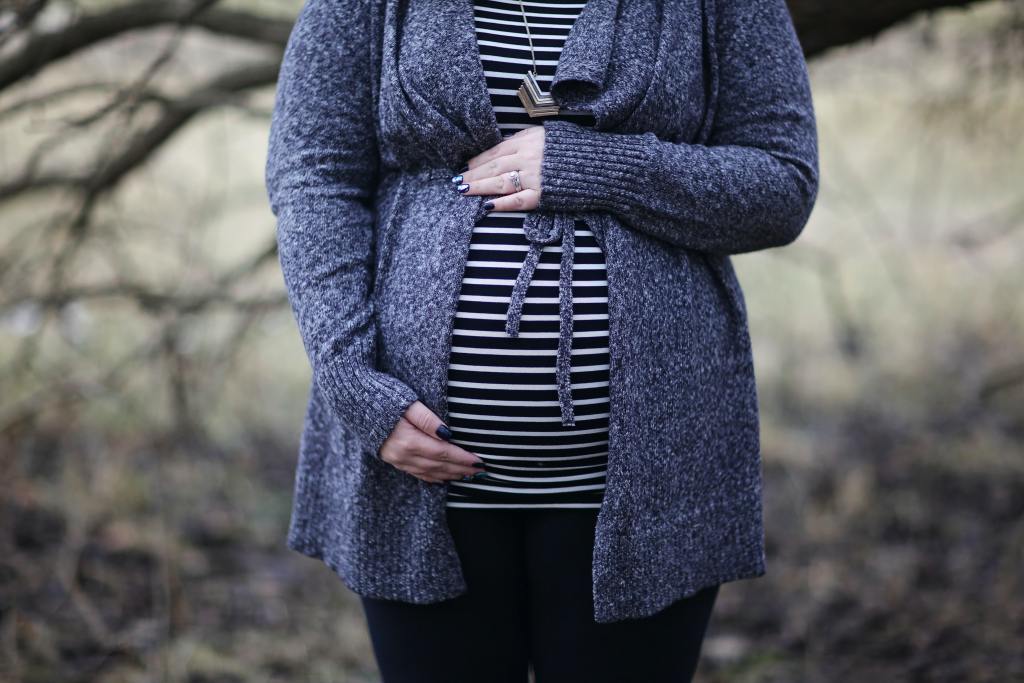
Knowing When to Clock Out: What is the 5-3-1 rule in pregnancy?
The 5-3-1 rule helps pregnant women know when to go to the birthing center. It means your contractions are 5 minutes apart, last for 1 full minute, and have consistently followed this pattern for 1 hour. Modern variations also include the 4-1-1 or 3-1-1 rules for closer contraction intervals. For healthcare workers already on shift, these benchmarks are especially useful for knowing exactly when to hand off responsibilities, notify charge staff, and transition from clinician to patient without delay.
First Trimester: Conquering the Hardest Month of Pregnancy on the Floor
For many, the first trimester—often peaking around months two and three—is the most physically draining stage of pregnancy. Hormonal shifts, nausea, fatigue, and food aversions can make long shifts feel significantly harder, especially in fast-paced clinical environments where breaks are unpredictable.
The reality is that you may be charting, rounding, or triaging while managing sudden waves of nausea. This is where discreet, pocket-friendly tools become essential.
Essential Gear for the First Trimester:
Nausea relief bands using acupressure can be worn under gloves or sleeves and provide subtle symptom relief during patient care. Ginger lozenges are another practical option—easy to store in scrub pockets and quick to use between consults without interfering with sterile protocols.
Hydration also becomes critical. A large insulated water bottle helps maintain fluid intake during long rounds, reducing dizziness and headaches caused by dehydration.
Finally, don’t underestimate the importance of quick, high-protein snacks like almonds, cheese sticks, or protein bars. In clinical settings, eating often happens in 2-minute windows, so portable nutrition is key to maintaining energy and stabilizing blood sugar. A soft cooler bag from Cordova Outdoors is a convenient way to keep these kinds of light snacks nearby.
Second Trimester: Transitioning to Maternity Scrubs from Vervee
The second trimester often brings rapid physical changes that directly impact comfort on the job. Waistbands tighten, reflux can worsen with compression clothing, and standard scrubs may no longer provide the flexibility needed for movement-intensive roles. This is where specialized maternity workwear becomes essential—particularly high-performance maternity scrubs from Vervee designed specifically for healthcare professionals.
Unlike traditional maternity clothing (such as Vervee maternity scrubs/maternity scrubs from Vervee), which prioritize clinical function. They offer four-way stretch for unrestricted mobility during procedures, fluid-resistant materials for protection in clinical environments, and over-the-bump support panels that stay securely in place during long shifts and emergencies.
Why maternity scrubs matter in healthcare settings:
They are designed for real hospital demands—frequent bending, rapid movement between patients, and long periods of standing—without slipping, bunching, or restricting circulation.
Additional Essential Gear for the Second Trimester:
Compression socks (15–20 mmHg medical-grade) help reduce swelling, lower the risk of varicose veins, and support circulation during extended standing. Supportive slip-on clinical shoes are equally important, especially as feet begin to swell and fatigue increases.
Third Trimester: Physical Protection and Ergonomic Support
By the third trimester, shifts in the body’s center of gravity and increased joint laxity can make routine clinical tasks more physically demanding. Activities such as repositioning patients, bending to reach equipment, or standing for long procedures may require additional ergonomic support.
Maternity support belts or kinesiology tape can help reduce pelvic and round ligament pain during long shifts. These tools provide stabilization without restricting necessary movement.
The American College of Obstetricians and Gynecologists (ACOG) notes that workplace accommodations during pregnancy should consider physical demands, including lifting frequency and weight limits, especially for repetitive tasks or prolonged strain.
Proper lifting technique becomes even more important in clinical settings. While exact limits vary by individual circumstances, guidance generally recommends minimizing repetitive heavy lifting and avoiding strain when possible. After long shifts, recovery becomes part of care. Epsom salt baths, gentle stretching, and heating pads can help reduce lower back tension and muscle fatigue.
Navigating Workplace Hazards and Accommodations
Healthcare environments present unique occupational exposures that require proactive awareness during pregnancy. According to the CDC’s NIOSH guidance on reproductive hazards, potential risks may include exposure to radiation, chemotherapeutic agents, infectious diseases, and certain biologics.
Shift work also matters. Research has explored associations between long-term night shift work and modest increases in certain pregnancy risks, as well as the cumulative physical strain of lifting heavy patients throughout a shift.
For pregnant healthcare workers, practical safety strategies include:
- Requesting reassignment away from high-risk exposure areas when appropriate (e.g., oncology infusion, radiology)
- Taking more frequent micro-breaks for hydration and rest during charting or handoffs
- Using assistive devices for patient lifting whenever available
- Discussing formal accommodations with occupational health or HR early, including modified duties or reduced lifting requirements
Importantly, ACOG supports reasonable workplace accommodations that allow pregnant individuals to continue working safely without unnecessary risk or job insecurity.
Working through pregnancy in healthcare is a balancing act between patient care and self-preservation. The physical demands of long shifts, clinical environments, and patient mobility require intentional support—not just willpower.
Investing in the right tools, such as maternity scrubs, compression socks, ergonomic support gear, and hydration strategies, can make a meaningful difference in daily comfort and safety.
Just as importantly, advocating for appropriate workplace accommodations is not a luxury—it’s part of safe, evidence-based practice. Healthcare professionals deserve the same level of care they provide to others.

Leave A Comment