
Parenting often involves guiding children through periods of growth, change, and self-discovery. One area where this journey becomes especially visible is personal style. For many teens and young adults, clothing is more than something to wear — it’s a way to explore identity, build confidence, and feel comfortable in their own skin.
Supporting children as they navigate personal style choices can be an opportunity for connection rather than conflict, especially when approached with understanding and openness.

Why Personal Style Matters to Young People
During adolescence, young people are learning who they are and how they fit into the world. Clothing can play a meaningful role in this process. Choosing outfits that feel authentic can help teens feel more confident at school, social events, or even at home.
For parents, it’s important to recognize that personal style isn’t always about rebellion or trends. Often, it’s about comfort, belonging, and self-expression. When young people feel supported in expressing themselves, it can positively affect their self-esteem and emotional well-being.
Creating a Supportive Environment at Home
Open communication is key when it comes to personal style. Instead of focusing on what feels unfamiliar or unexpected, parents can ask questions and listen. Simple conversations about why certain clothes feel comfortable or empowering can help bridge understanding.
Creating a judgment-free space at home allows children to explore their style without fear. This doesn’t mean there can’t be boundaries — it means those boundaries are discussed respectfully and thoughtfully.
Comfort and Confidence Go Hand in Hand
Comfort plays a major role in confidence. Clothing that feels restrictive or uncomfortable can increase self-consciousness, while comfortable fits and fabrics allow kids to focus on learning, friendships, and activities.
Many families are now prioritizing comfort alongside style, especially as daily routines become more flexible. Encouraging children to choose clothes that support movement and ease can help them feel more confident in everyday situations.
Respecting Individuality
Every child expresses themselves differently. Some may prefer bold looks, while others gravitate toward simple or understated styles. Respecting these preferences helps children feel seen and valued.
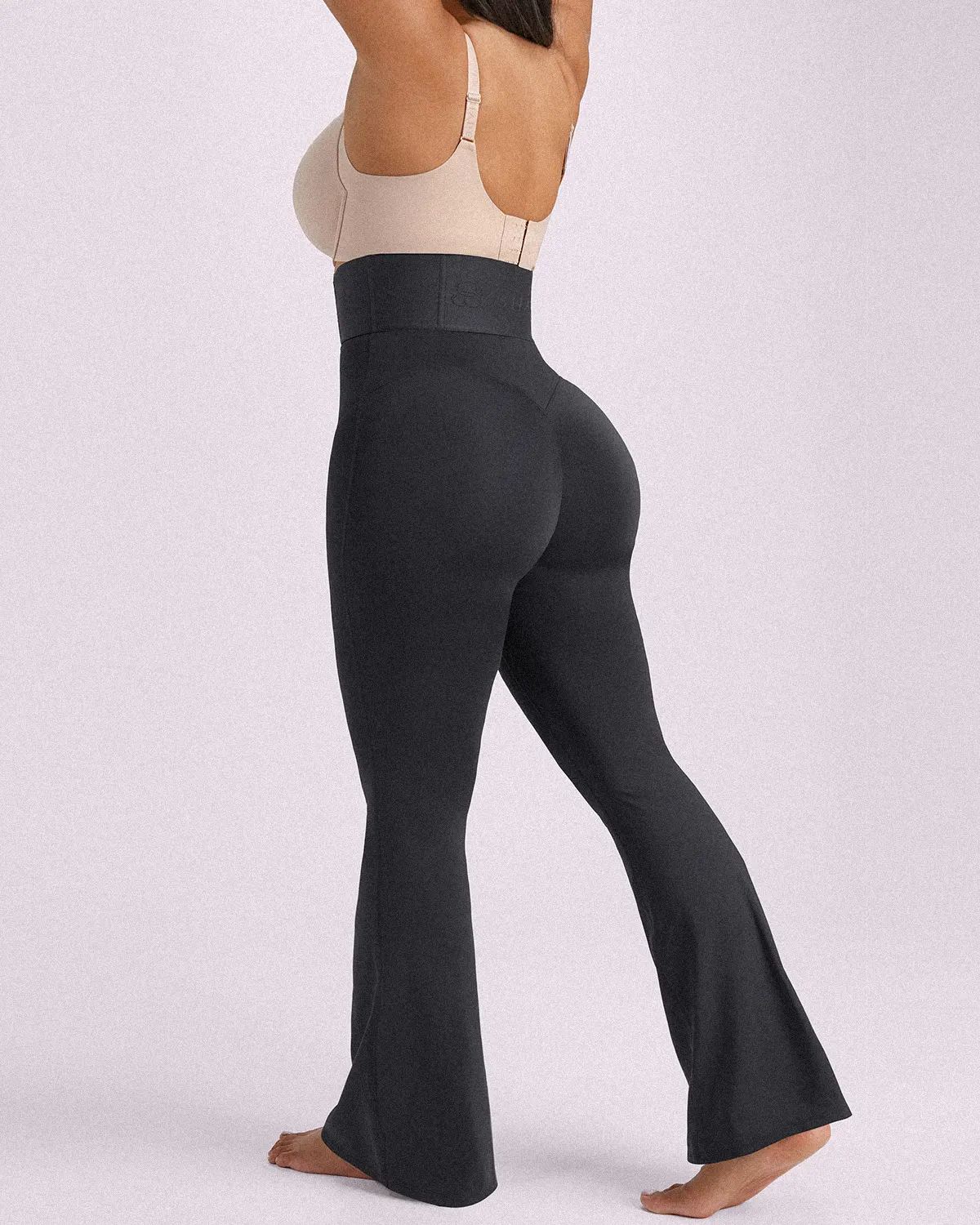
Fashion doesn’t need to fit into rigid categories to be valid. Some brands and communities now focus on expressive, comfort-first styles without strict labels. For example, FemboyBox offers fashion centered on comfort and confidence, reflecting a broader shift toward personal choice and inclusivity in clothing.
Teaching Balance and Practicality
While self-expression is important, parents can also help children understand balance. Discussing appropriate clothing for different settings — school, family events, or extracurricular activities — helps kids make thoughtful decisions without feeling restricted.
This approach teaches adaptability while still honoring individuality. Children learn that they can express themselves while also respecting different environments.
Building Confidence Beyond Clothing
Personal style is just one piece of confidence-building. When parents support their children’s choices and encourage self-acceptance, those lessons extend far beyond fashion. Kids who feel supported at home are more likely to carry that confidence into other areas of life.
Celebrating individuality, practicing empathy, and maintaining open communication all contribute to raising confident, self-assured children.
Final Thoughts
Supporting children through personal style choices doesn’t require having all the answers. It requires listening, patience, and a willingness to grow together. When parents approach fashion as a tool for confidence and self-expression rather than something to control, it can strengthen relationships and help children feel empowered.
By focusing on comfort, respect, and individuality, families can turn everyday style choices into meaningful moments of connection.

Leave A Comment