
og homes have captivated generations of homeowners with their unmistakable blend of rustic charm and timeless appeal. These cherished dwellings, rooted in centuries of tradition, persist as a popular choice even as architectural trends evolve. Their enduring popularity is one of the main reasons people turn to experienced log home builders when seeking a distinct balance of character, comfort, and resilience that modern construction styles rarely match.
Whether nestled deep in a forest or set against breathtaking mountain backdrops, log homes stand as a testament to the lasting allure of natural materials and thoughtful craftsmanship. The tactile sensation of touching solid wood, the earthy scent permeating the air, and the comforting sound-damping that timber provides all contribute to their unique atmosphere. Unlike many modern homes, which sometimes feel sterile or generic, log homes radiate personality and invite visitors to linger. This article explores why log homes remain timeless, examining their historical legacy, visual warmth, structural durability, eco-friendly benefits, and more.
Historical Significance
The legacy of log homes is woven tightly into American history. Early settlers embraced log cabins out of necessity, utilizing the plentiful timber to build practical shelters that could withstand the challenges of pioneer life. These structures symbolized resilience, simplicity, and a close connection to the land, offering warmth in harsh winters and a sense of home on the frontier. Log construction allowed for quick assembly using basic tools, making it accessible to those establishing new lives in untamed landscapes. Today, the nostalgia and historical significance of log homes continue to inform the choices of modern homeowners, who are drawn to designs that honor these traditions while benefiting from present-day innovation. As a result, modern log homes often incorporate classic architectural cues—such as large stone fireplaces and covered porches—allowing families to connect with the past while embracing modern living.
Natural Aesthetics
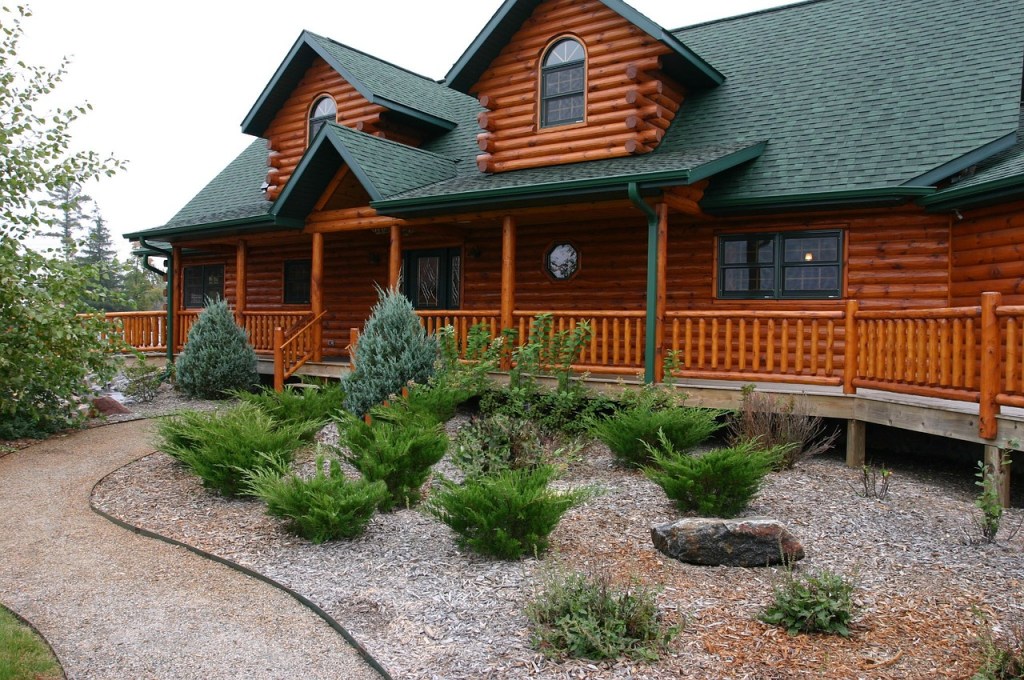
The visual appeal of log homes is undeniable. They exude warmth and coziness, with natural wood’s grain, knots, and hues infusing interiors and exteriors with a sense of organic beauty. Unlike synthetic materials, every log showcases its unique character, creating a comforting and authentic atmosphere. For many, this innate connection to nature transforms the home into a sanctuary, fostering relaxation and a sense of grounding. The appearance of a log home can also be adapted to fit various design tastes, from rugged and rustic to sleek and contemporary, depending on how the wood is finished and complemented with other elements. The surrounding landscape, too, often feels almost like an extension of the home—large windows frame forested views, mountains, or lakeshores, further blending the line between indoors and outdoors.
Durability and Longevity
Log homes have proven their durability across continents and centuries. Well-constructed log structures can withstand wind, snow, and moisture, often outlasting conventional stick-built homes when routinely maintained. Log buildings in parts of Europe and North America are hundreds of years old and still standing strong, testifying to the resilience and craftsmanship inherent in their construction. The dense nature of logs provides structural integrity and helps the house endure natural disasters better than many standard wood-frame buildings. Proper design and upkeep, such as sealing gaps and preventing moisture intrusion, ensure these homes remain safe, sturdy, and beautiful for generations.
Energy Efficiency
One of the lesser-known advantages of log homes is their inherent energy efficiency. This natural insulation helps keep interiors warmer in winter and cooler in summer, thereby minimizing demand on heating and cooling systems. Homeowners may benefit from lower energy bills while enjoying year-round comfort, especially when homes are properly sealed and designed for their climate. Advances in building science have further enhanced the efficiency of log homes, with modern sealants, double- or triple-pane windows, and carefully-engineered rooflines all helping to optimize temperature regulation and reduce drafts. The result is a cozy, comfortable environment that feels stable and quiet under nearly any weather conditions.
Environmental Sustainability
Log homes are constructed from one of nature’s most renewable resources—wood. Sustainable logging practices and responsible forest management allow builders to harvest logs while promoting nature’s regeneration and biodiversity. Unlike more energy-intensive building materials like steel or concrete, wood requires less processing, reducing the home’s overall carbon footprint. In many cases, the carbon-capturing properties of wood and the reduced need for energy-intensive building materials further minimize the environmental footprint of these structures. Additionally, there is growing interest in harvesting timber from local sources, thereby reducing the resources required for transportation and strengthening local economies. Choosing a log home can thus support a lifestyle that values conservation and long-term environmental responsibility.
Modern Design Flexibility
Contemporary log homes have evolved well beyond the simple cabins of the past. Today’s log home builders offer remarkable flexibility in design, ranging from classic mountain lodges to sleek, modern retreats. Open floor plans, soaring, expansive windows, and sophisticated finishes ensure that homeowners no longer sacrifice comfort or amenities to enjoy the perks of log living. Modern engineering and architectural techniques mean log homes can incorporate advanced features such as in-floor heating, smart-home technology, and energy-efficient fixtures. Customization options provide ample creativity, allowing each home to reflect its owners’ tastes and accommodate changing lifestyles, whether it’s a cozy getaway or a luxurious primary residence. A log home can be tailored to reflect a homeowner’s personal vision, blending traditional construction methods with forward-thinking features.
Health Benefits
The health advantages of living in a log home are significant. The natural materials used in construction contribute to improved indoor air quality by reducing synthetic chemicals and volatile organic compounds often found in more traditional builds. Logs regulate humidity, creating a more comfortable interior environment and potentially reducing issues such as dry skin and respiratory irritation. Exposure to wood also has a calming effect, helping to lower stress and support mental well-being. Growing scientific evidence suggests that homes constructed from natural materials and those situated in natural surroundings promote physical well-being and emotional stability.
Conclusion
Log homes have enduring appeal due to a compelling blend of history, natural beauty, resilience, energy-smart design, and responsible environmental impact. Their ability to bridge tradition with contemporary comfort—supported by the expertise of skilled log home builders—ensures these homes remain a coveted choice for those seeking both long-lasting value and a deeper connection to nature. As building trends shift and evolve, the timeless magic of log homes continues to inspire homeowners across generations, standing as symbols of warmth, individuality, and an enduring legacy of craftsmanship that remains timeless.

Leave A Comment