
Most people wear the same handful of fabric types again and again without thinking much about them. Cotton T-shirts, denim jeans, fleece sweatshirts, stretchy workout clothes, soft winter layers — they all become part of daily life long before most shoppers learn what makes them different.

That is not a problem until a purchase goes wrong. A shirt feels stiff when you wanted soft. A sweater looks cozy but gets too hot. A pair of pants stretches out too quickly. A jacket feels heavy when you expected something breathable. Suddenly, fabric matters.
The good news is that you do not need a background in fashion or textiles to shop more confidently. A basic understanding of common fabrics can help you make sense of comfort, durability, warmth, and care without overcomplicating the process.
Cotton: familiar, breathable, and not always the same
Cotton is one of the most common fabrics in everyday clothing, and many people treat it as a simple category. In reality, cotton can vary a lot.
Some cotton fabrics feel light and airy. Others feel dense and structured. A thin cotton T-shirt, a crisp cotton button-down, and a thick cotton sweatshirt can behave like three entirely different materials, even though they all begin with the same fiber.
In general, cotton is popular because it feels comfortable on the skin and usually breathes well. But weight, weave, and finish still matter. A soft cotton piece may feel great right away but wear down quickly. A heavier cotton item may feel more durable and hold its shape better over time.
That is why it helps to think beyond the word on the tag and pay attention to the actual feel of the garment in your hand.
Denim and twill: structure, texture, and everyday toughness
Many people know denim when they see it, but fewer know that denim is part of a broader family of fabrics with a diagonal weave pattern often associated with durability and structure.
That is one reason jeans, workwear, and structured casual pieces tend to feel different from basic knit tops. These fabrics usually hold shape better, feel more substantial, and stand up well to repeated wear. They may not always feel soft at first, but they often age in a way many people like.
This is also where a little fabric literacy becomes useful. A simple guide to fabric basics can make it easier to understand why some clothes feel crisp, some feel sturdy, and others feel relaxed from the start.
Fleece and brushed fabrics: warmth without always being heavy
Fleece often gets grouped into the category of “soft winter fabric,” which is fair, but that description leaves out a lot.
What many people respond to in fleece is not only warmth but texture. It feels soft because the surface is raised and brushed. That creates a cozy feel and helps trap warmth. But not all fleece behaves the same way. Some versions feel plush and thick, while others feel lighter and more breathable.
The same goes for other brushed materials. A soft hand-feel can make clothes seem higher quality at first touch, but softness alone does not guarantee durability. Some fabrics stay stable with wear, while others pill or flatten more quickly.
For everyday shoppers, the main lesson is simple: cozy is a useful quality, but it should be judged alongside thickness, shape retention, and how often the garment will actually be worn.
Stretch fabrics: comfort often comes from the blend
A lot of modern clothing feels flexible because it is not made from one fiber alone.
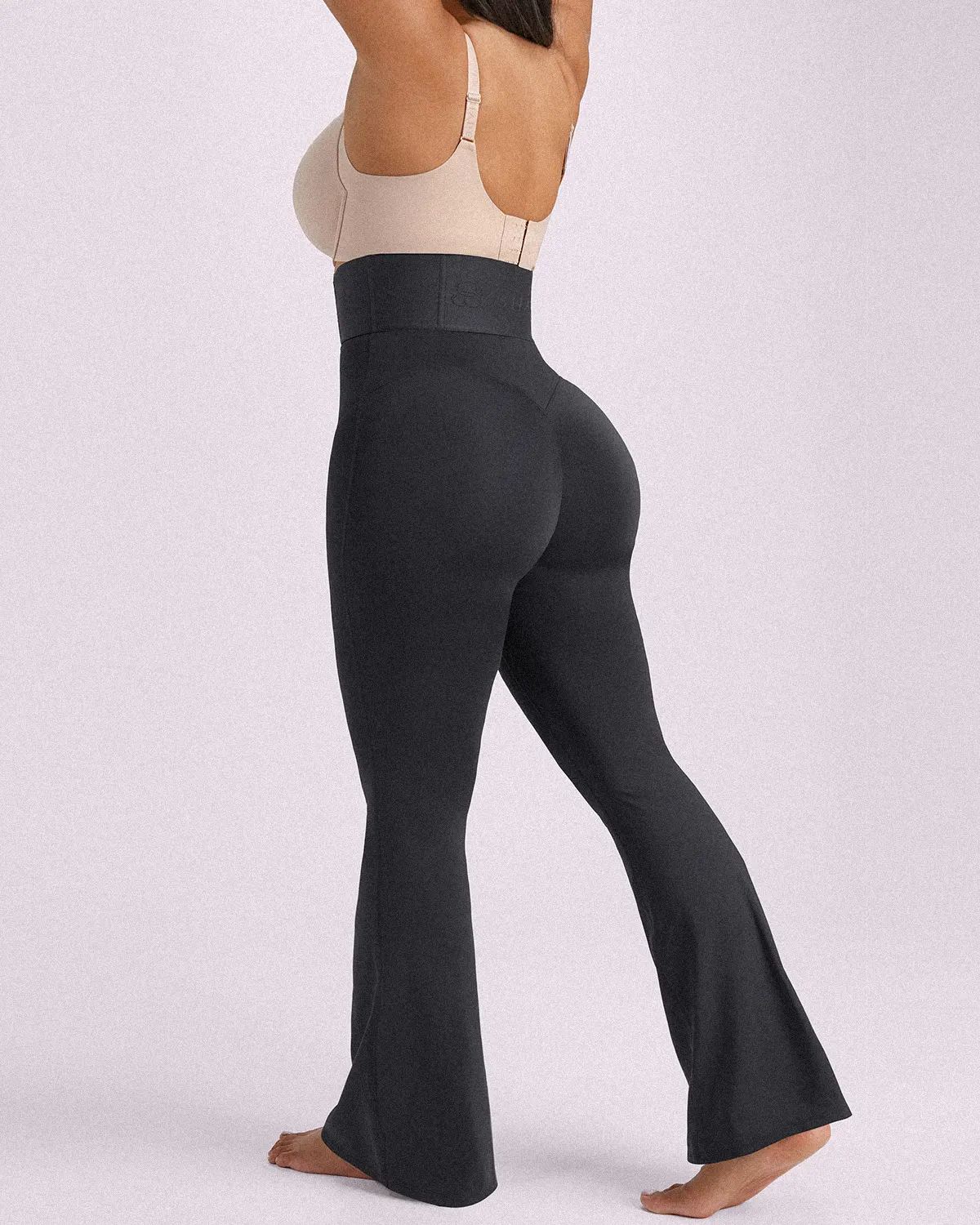
Stretch in leggings, fitted tops, jeans, and activewear often comes from blending one base fabric with a small amount of elastane or another flexible fiber. This can make a garment easier to move in, more flattering in shape, and more comfortable for long wear.
But stretch is not always a sign of better quality. Some clothes recover well after being worn and washed. Others lose shape quickly. A fabric that feels flexible in the store may become baggy later if the construction is weak.
That is why it is helpful to think of stretch as a performance feature, not a promise. It matters how the garment is built, not just whether it stretches.
Texture changes how fabric feels, even before fiber enters the picture
Two fabrics can be made from similar fibers and still feel completely different because of surface texture.
Corduroy is a good example. It has raised ridges that create both visual depth and a distinct hand-feel. That surface changes how the fabric traps warmth, reflects light, and moves on the body. Other materials, from slub textures to brushed finishes, work the same way. The feel is shaped not only by the fiber, but by how the surface is designed.
That is one reason clothing can surprise people so often. A shopper may expect “cotton” to feel one way, then discover that texture, finish, and structure have changed the experience entirely. Resources on common fabric types often exist for this reason: the names may sound familiar, but the way they behave is not always obvious.
Synthetic fabrics are not all the same either
Many shoppers treat synthetic fabrics as one broad category, but polyester, microfiber blends, fleece-based synthetics, and performance materials can vary just as much as natural fibers do.
Some are made for moisture control. Some are designed for softness. Some focus on durability, shape retention, or low-maintenance care. And some simply feel unpleasant depending on heat, humidity, or personal preference.
That does not make them bad choices. It just means they should be judged by use. A fabric that works well in activewear may not feel right in a summer shirt. A wrinkle-resistant travel layer may be more practical than a softer but fussier alternative.
The best fabric is often the one that matches the job.
How to shop more confidently without becoming a fabric expert
The easiest way to improve fabric awareness is not to memorize technical vocabulary. It is to build a few useful habits.
Pay attention to weight. Notice whether the garment feels stable or flimsy. Check how it falls when you hold it up. Gently stretch the fabric and see whether it springs back. Think about warmth, breathability, softness, and structure in relation to how you will actually wear it.
This kind of material awareness is one reason apparel and textile businesses publish educational content in the first place. Companies such as Valtin Apparel often explain different fabrics because shoppers, small brands, and even regular consumers are trying to make more sense of what they buy.
You do not need to know everything. You just need to notice a little more.
Better fabric knowledge leads to better everyday choices
Most clothing decisions are ordinary ones. A shirt for work. A warm layer for winter. Pants for travel. A hoodie for weekends. But those small decisions add up, and fabric plays a bigger role in them than many people realize.
Once shoppers understand a few core differences — structure, weight, stretch, texture, and intended use — buying clothes becomes less random. Labels make more sense. Fit becomes easier to predict. And quality becomes something you can actually feel, not just guess at.
That is what makes fabric knowledge so practical. It is not about sounding like an expert. It is about learning enough to choose clothes that feel right, wear well, and fit the life you actually live.

Leave A Comment