
For parents, a trip to the playground is often a challenge of encouraging independence while managing an underlying fear of accidents. While minor scrapes and bruises are an inevitable part of childhood, data suggest that serious injuries are occurring at high rates due to preventable hazards. Recent reports indicate that nearly3 0 children were injured during playtime in a single district in West Yorkshire, highlighting a widespread issue with equipment maintenance and supervision. Furthermore, a distressing incident in La Mesa involving a 9-year-old boy who suffered multiple fractures and a brain bleed after hitting a concrete barrier underscores the severity of design flaws. These events serve as a stark reminder that the environments we trust for recreation often pose significant risks. By understanding the mechanics of playground safety, parents can effectively identify dangers before their children set foot on a structure.

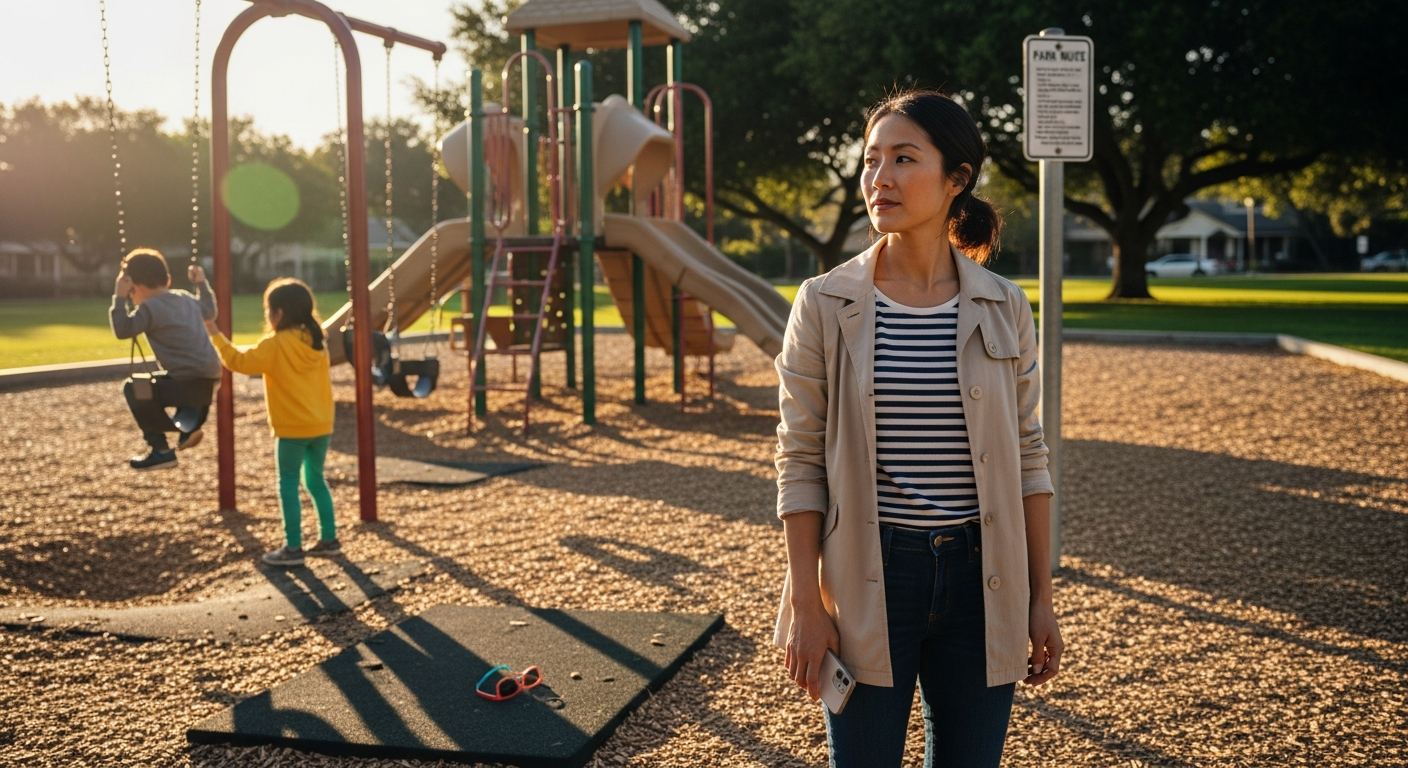
Image generated by Gemini
This guide aims to equip families with the necessary information to assess play areas critically and respond effectively if an incident occurs. Vigilance goes beyond simply watching a child play; it requires an understanding of structural integrity, surface materials, and legal responsibilities. The Consumer Product Safety Commission (CPSC) continues to identify and recall dangerous products, yet many hazardous items remain in public spaces due to infrequent inspections. Knowing who is responsible for maintaining these spaces—whether it is a municipality or a private entity—is vital for ensuring accountability. This article will break down the essential safety checks every parent should perform and outline the specific steps to take if negligence leads to an injury. With the right knowledge, you can transform your approach to playtime from passive observation to proactive protection.
Before You Play: A Mom’s Playground Safety Checklist
Checking a playground beforehand is the most effective way to reduce the risk of serious injury before a child even begins to climb or slide. A quick, five-minute scan of the environment can reveal maintenance issues that might otherwise go unnoticed until it is too late. Parents should approach this inspection systematically, starting from the ground up and examining the equipment for less obvious threats. While no environment is entirely free of risk, identifying red flags allows you to make an informed decision about whether a park is safe for your family. This checklist is designed to be a practical tool for spotting the most common causes of playground injuries.
The Ground Rules: Inspecting Surfaces for Safety
The surface beneath playground equipment is the most critical factor in determining the severity of a fall, which remains the leading cause of non-fatal injuries for children. Safe playgrounds utilize impact-absorbing materials designed to cushion the blow and reduce the likelihood of head trauma or fractures. Hard surfaces like concrete, asphalt, grass, and hard-packed dirt are unacceptable under play structures because they offer no shock absorption. Communities are increasingly recognizing this danger; for instance, Bowling Green Parks and Recreation recently invested $250,000 to replace wood mulch with safer rubber surfaces that exceed current safety standards. This shift not only improves safety outcomes but also enhances accessibility for children with disabilities. When you arrive at a park, check that the surfacing material is loose-fill like wood chips, sand, or pea gravel, or a unitary surface like rubber mats. Ensure loose-fill materials are at least 12 inches deep to provide adequate protection against falls from heights.
An Eye for Danger: How to Spot Unsafe Equipment
Once the ground surface is verified, parents must scrutinize the play structures for signs of poor maintenance or inherent design flaws. The CPSC frequently issues recalls for equipment that poses risks such as entrapment, suffocation, or structural failure, as seen in recent actions against defective safety gates and enclosures. Rust, cracked plastic, and splintering wood are immediate indicators that a playground has been neglected and may be structurally unsound. Entrapment hazards are particularly dangerous; you should look for openings between 3.5 and 9 inches where a child’s head could get stuck while their body passes through.
Additionally, verify that the equipment is appropriate for your child’s age, as modern playground design standards, like those from Golden Times, emphasize distinct zones for toddlers, children aged 5-12, and teenagers to prevent collisions and misuse. Finally, always touch metal slides and dark rubber surfaces on sunny days, as these can reach temperatures high enough to cause second-degree burns in a matter of seconds.
Unseen Threats: Hidden Dangers Lurking in Play Areas
Beyond the obvious structural hazards, parents must be aware of invisible chemical risks associated with certain playground materials. Recent research has highlighted concerns regarding recycled crumb rubber, a material commonly used in play areas and sports fields. This study found that these rubber granules, often derived from old tires, can release polycyclic aromatic hydrocarbons (PAHs) and heavy metals like zinc and copper into the environment. These toxic compounds are linked to serious long-term health issues, including respiratory problems and potential carcinogenic effects. The release of these chemicals is often exacerbated by heat and sunlight, which accelerate the degradation of the rubber. To reduce this risk, it is advisable to ensure children wash their hands thoroughly immediately after playing on rubber surfaces. Furthermore, parents should prevent children from eating food while sitting on these surfaces to avoid accidental ingestion of harmful particles.
Understanding the Rules: Who is Responsible for a Safe Playground?
The legal concept of “duty of care” establishes that property owners have an obligation to keep their premises reasonably safe for visitors. This responsibility applies to a wide range of entities, including city parks departments, school districts, and apartment complex management companies. When a property owner fails to conduct regular inspections or repair known hazards, they may be held liable for resulting injuries under premises liability law. This was the central issue in a recent lawsuit that alleged a daycare’s negligence led to an infant’s skull fracture when a seat tipped and the child hit the floor. Such cases often depend on proving that the owner knew, or should have known, about the dangerous condition and failed to act. It is important to understand that this duty extends to the entire environment, including lighting, fencing, and the condition of surrounding walkways.
The Legal “Duty of Care” Explained
Premises liability is a specific area of law that holds property owners accountable when their negligence leads to an injury. To establish liability, it must be proven that the owner breached their duty of care by maintaining unsafe conditions. This can include anything from crumbling stairs and poorly lit hallways to broken smoke detectors and malfunctioning elevators near the play area. The daycare lawsuit asserted that the absence of proper floor protection amounted to negligence by not providing a reasonably safe environment for children. These legal precedents demonstrate that safety is not optional; it is a mandatory requirement for anyone operating a facility for children. Parents should be aware that if an owner ignores these responsibilities, they are putting children at risk and may be financially responsible for the consequences.
Common Signs of Negligence vs. A Well-Maintained Playground
Distinguishing between a well-maintained playground and a negligent one is a skill that can protect your family from harm. A safe playground demonstrates clear evidence of regular upkeep, whereas a negligent one often shows signs of long-term decay. The table below outlines specific hazards that serve as indicators of negligence compared to what you should expect in a safe environment.
| Hazard (Sign of Negligence) | What a Safe Playground Looks Like |
| Unsafe Surfaces (e.g., concrete, hard dirt) | Deep, well-maintained impact-absorbing materials like wood chips or rubber. |
| Broken, Rusted, or Damaged Equipment | All equipment is in good working order, with no visible defects or rust. |
| Inadequate Lighting in Common Areas | Walkways, stairs, and parking lots are well-lit for visibility and security. |
| Lack of Fencing Near Dangers (roads, water) | A secure fence or barrier separates the play area from potential hazards. |
| Debris or Trash in the Play Area | The area is clean and free of tripping hazards like litter or fallen branches. |
Why Regular Maintenance is Non-Negotiable
A single safety inspection is insufficient because weather, usage, and vandalism can rapidly change the condition of a playground. Ongoing maintenance is the only way to ensure that a play area remains safe for children over time. A swing set that was secure last week could have a loose bolt or a worn chain link today, posing an immediate threat to the next user. The consequences of neglecting this maintenance can be tragic, as evidenced by injury statistics in Georgia. In 2020, falls were identified as the fifth leading cause of unintentional injury death for all ages in the state, underscoring the lethal potential of unsafe environments. Property owners who fail to implement a regular maintenance schedule are not just cutting corners; they are gambling with the safety of their visitors. Parents should report any damage they see immediately to force accountability and prevent future accidents.
When an Accident Happens: Steps to Take After a Playground Injury
The moments immediately following a playground injury are often chaotic and stressful, but taking the right steps is crucial for your child’s health and any future legal claim. Your primary focus must always be on the immediate medical needs of the injured child. Once professional help has been sought, however, the priority shifts to preserving evidence and documenting the scene accurately. Many parents make the mistake of leaving the scene without gathering information, which can make it difficult to prove negligence later. By following a clear protocol, you ensure that you have the necessary documentation to support your case if the injury was caused by a preventable hazard. This section outlines the specific actions you should take to protect your family’s interests.
Your Immediate Actions at the Scene
If your child is injured, act decisively to secure their safety and document the incident before conditions change. First, seek immediate medical attention by calling 911 for severe injuries or transporting your child to urgent care; a medical record is the most vital piece of evidence. Second, use your smartphone to take comprehensive photos and videos of the specific hazard, such as the broken equipment or inadequate surfacing, as well as your child’s injuries. Third, report the incident immediately to the property owner or manager, whether it is a school principal or a city parks official, and demand a copy of the written report. Finally, identify any witnesses who saw the accident occur and politely ask for their names and contact information. These independent accounts can provide critical corroboration of your version of events if the property owner disputes your claim later.
Navigating Your Legal Options in Georgia
When negligence leads to injury, families may have the right to seek compensation for medical bills, pain, and suffering, but the legal landscape is complex. In Georgia, the statute of limitations generally allows only two years from the date of the incident to file a premises liability lawsuit. Additionally, the state follows a “modified comparative fault” rule, meaning you can still recover damages if your child was partially responsible, provided their fault is less than 50%. Navigating these legal complexities can be overwhelming for any parent, especially when facing insurance companies or government entities. If you suspect negligence played a role in your child’s injury, consulting with an experienced Atlanta premises liability attorney can help you understand your rights and options for pursuing the compensation your family deserves. Their expertise can be instrumental in investigating the accident and establishing the property owner’s liability.
Empowering Your Family for Safer Play
Knowledge is the most powerful tool parents have to protect their children from serious injury while allowing them to enjoy the benefits of play. While we cannot prevent every scrape or bump, understanding the difference between acceptable risks and negligence allows for safer choices. Experts note that “risky play” is essential for child development, but this should not be confused with exposure to hazards like broken equipment or toxic surfaces. By performing regular safety checks, understanding legal protections, and knowing how to react to an accident, you become your child’s strongest advocate. Balancing the need for fun with the necessity of safety ensures that playgrounds remain places of joy and growth rather than sources of trauma.
For more on fostering a safe and respectful family environment, read our A Guide to Gentle Parenting Principles.

Leave A Comment