
Pickleball doesn’t discriminate. Five minutes in, even the most awkward beginner is rallying. The beauty is in its low barrier to entry mixed with just enough nuance to keep the brain hooked. Kids can grasp it before snack time. Parents burn off a frustrating workday. Grandparents get moving without dreading the next morning. It’s not about chasing medals or outspinning the teenager; it’s about a shared court, shared laughter, and shared sweat. Competition takes a back seat to camaraderie.
Selecting Versatile Gear for Every Age
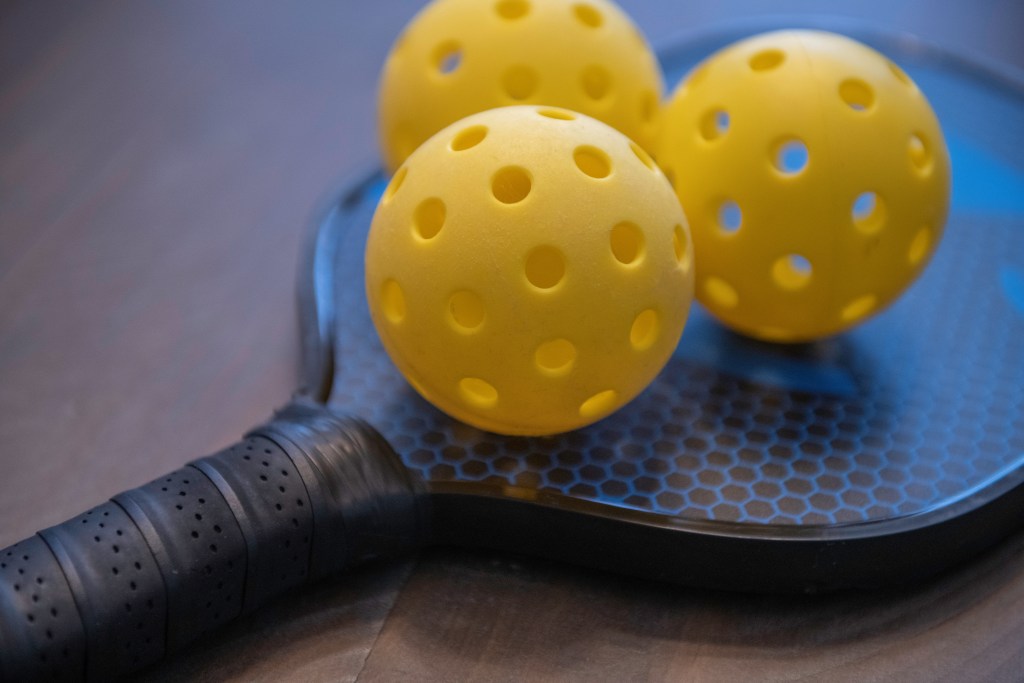
You can sabotage the fun before the first serve with the wrong paddle. Weight matters. Heavy enough to send the ball with intention, light enough so a 10-year-old’s wrist isn’t shot after two games. Grip size can make or break comfort, so measure hands, not egos. For mixed skill levels, keep a range on hand—basic, forgiving models alongside more precise, responsive designs. Families can find quality pickleball paddles that won’t turn the budget into confetti.
Designing a Home Court That Welcomes Everyone
Square footage is overrated. A clean driveway or a flattened yard can transform into a serviceable battleground with painter’s tape and a portable net. Creativity matters more than regulation specs. Mind the hazards—gravel, wet leaves, the random garden gnome. Concrete eats knees, so think about cushioning or at least grip-savvy footwear. The court should invite play, not ER visits.
Breaking Down the Basics Without Boredom
Serve. Return. Dink. That’s your spine. Layer them gradually without drowning the newcomer in jargon. Mini-games keep the energy high and the eyes alert. Younger players thrive when speed outweighs sermonizing, so slice explanations into bite-sized action. Let them feel the rhythm before dissecting the rules.
Fun Drills That Turn Practice Into Play
Cross-court dinking battles keep adults humble. Quick volley exchanges sharpen reflexes in kids and encourage the bold shot. Try “King of the Court” rotations and you’ll quickly mix ages, skills, and personalities. Family point challenges elevate intensity without turning into a grudge match. And yes, swapping partners frequently keeps alliances from turning stale.
Scoring Moments of Joy Over Points
Points fade. The longest rally of the afternoon gets a roar. A serve streak gets a silly dance. High-fives become mandatory, even for grudging rivals. Build rituals that make failure and triumph feel equally amusing. Kids stick with a sport that rewards their energy, not just their numbers on a scoresheet.
Building a Regular Pickleball Tradition
Consistency fuels connection. Plant one day on the family calendar—weekly or bi-weekly—and protect it like a holiday. Inject themes to keep it fresh: pajama matches, reverse handed play, or a ridiculous trophy for “Most Unexpected Shot.” Rewards don’t need glittery medals. Sometimes bragging rights and dessert work even better.
Caring for Your Equipment Together
Neglected paddles kill momentum. Keep them clean, stored flat, and free from chipped edges that snag your hand or ruin a shot. Make a quick end-of-play inspection part of the ritual; everyone checks their gear, everyone owns their part. Maintenance done together reinforces the idea that this game belongs to everyone.
Expanding the Circle: Invite Neighbors and Friends
When the family rhythm is strong, widen the orbit. A casual round robin blends ages, speeds, and styles. Set expectations early so newer players don’t get steamrolled and veterans don’t coast. The payoff is a community that wants to see each other succeed, not just win.
Passing the Paddle Forward: Continuing Your Family’s Pickleball Journey
The formula is simple: gear that fits, a court that invites, skills taught in motion, and traditions that lock in attendance. Put a date on the calendar, sharpen your serve, and get the whole crew on the court. Then share the story, the photo, the proof that connection beats competition every time.

Leave A Comment