
We often think of independence as being able to do everything on our own. It is seen as a sign of adulthood and self-reliance. But as we get older, this idea can become limiting.
Relying only on ourselves can sometimes lead to isolation. Today, experts encourage us to rethink independence in later life.
True independence is not about doing everything alone-it is about living fully while getting the support you need. Read on.
The Challenges of Aging
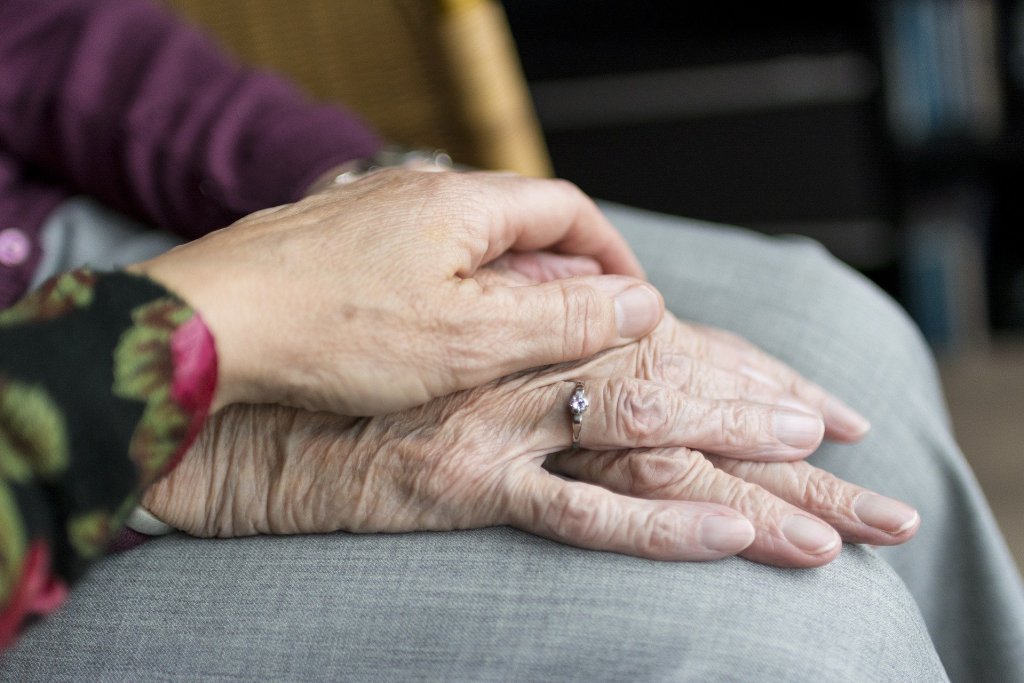
Aging comes with changes in health, mobility, and social life. Many older adults hesitate to ask for help. They worry it may make them seem weak or less capable.
But needing help does not mean losing independence. Real independence is about making choices, keeping dignity, and staying active in life. Support should be seen as a way to empower people, not as a sign of weakness.
Personalized Support Matters
“Support that fits” recognizes that everyone’s needs are different. Some people may need help with cooking, cleaning, or taking medications. Others may need transportation to stay involved in social activities.
Technology can also help by making it easier to connect with family, friends, or caregivers. Support should complement daily life, not take it over. Visit one of the top facilities to learn more about personalized care in independent living.
Community Connections as a Lifeline
Community programs are helping older adults live better lives. Senior centers, volunteer groups, and local initiatives offer services that meet both practical and social needs. Intergenerational programs, for example, pair older adults with younger people.
These connections offer companionship and learning for both generations. Programs like these show that support can strengthen independence by keeping people active and socially connected.
Technology That Empowers
Technology is another way to support independence. Smart home devices, wearable health monitors, and easy-to-use communication tools allow older adults to live safely at home while staying connected to others. When designed thoughtfully, technology gives people control over their lives and reduces the feeling that needing help means losing freedom.
Emotional Well-Being and Independence
Independence is not just about physical abilities. Emotional health plays a big role in living fully. Feeling lonely, stressed, or anxious can make everyday life harder.
Support that fits includes mental and emotional care, such as counseling, social groups, or regular check-ins from loved ones. Taking care of emotional well-being helps older adults stay confident, engaged, and motivated to live independently.
Independence Through Choice
Rethinking independence is about choice, dignity, and control. Aging does not have to mean giving up autonomy.
Needing support is natural, not a failure. By embracing flexible, personalized support systems, older adults can live confidently and on their own terms.
Support That Fits
Independence is not about doing everything alone. It is about having options and the support needed to live fully.
When support fits each person’s needs, aging becomes less about limitations and more about growth, engagement, and empowerment. True independence in later life means living safely, happily, and fully-with the right support by your side.
If you want to read more articles, visit our blog.

Leave A Comment