
Every year, hundreds of Australians suffer injuries from electrical accidents in their homes. Many of these incidents stem from well-intentioned DIY electrical projects gone wrong. With hardware stores stocking electrical supplies and countless online tutorials making tasks look simple, it’s tempting to tackle electrical jobs yourself to save money. However, the stakes couldn’t be higher when it comes to electrical work. Having access to a reliable 24/7 emergency service can be lifesaving when electrical issues arise, but prevention remains the best approach.
Key Takeaways
- Most electrical work in Australia legally requires a licensed electrician
- DIY electrical work can lead to serious injuries, death, property damage, and insurance claim denials
- Regulations vary by state but all follow the Australian/New Zealand Standard (AS/NZS 3000)
- Even ‘simple’ tasks like replacing light fixtures carry risks if proper isolation procedures aren’t followed
- The cost of professional work is far lower than the potential costs of DIY gone wrong
DIY Electrical Work in Australia
Common DIY Tasks Around the Home
Many homeowners consider basic tasks like changing light bulbs, replacing light fixtures, swapping power points, or connecting new appliances to be straightforward DIY jobs. While some of these tasks may seem simple, they can present serious risks if not done correctly.
National and State Regulations
Electrical work in Australia is governed by the Australian/New Zealand Standard (AS/NZS 3000), also known as the Wiring Rules. Each state and territory has its own specific regulations regarding who can legally perform electrical work. Generally, any work involving fixed wiring must be done by a licensed electrician.
Allowed vs Restricted Work
In most Australian jurisdictions, homeowners are legally permitted to:
- Change light bulbs and tubes
- Reset a tripped safety switch
- Replace a plug on a cord (in some states)
Almost everything else – including installing light fittings, replacing switches, and any work involving the fixed wiring of your home – legally requires a licensed electrician.
Safety Risks and Hazards
Electric Shock and Electrocution
The most immediate risk is electric shock, which can range from a mild jolt to fatal electrocution. As little as 30 milliamps (0.03 amps) can cause respiratory paralysis, while currents above 100 milliamps can cause ventricular fibrillation and death. Standard Australian power points deliver 240 volts at up to 10 amps – more than enough to be lethal.
Fire Hazards
Incorrect wiring creates resistance, which generates heat. Over time, this can degrade insulation and eventually start fires within walls where they’re difficult to detect until well-developed. Poor connections can also cause arcing, which can ignite nearby flammable materials.
“We regularly encounter homes where previous DIY electrical work has created dangerous situations the homeowners weren’t even aware of – from reversed polarity in outlets to missing earth connections. These hidden hazards can remain dormant for years before causing a catastrophic failure.” – Carda Electrics
Protection System Failures
Modern electrical installations rely on safety devices like Residual Current Devices (RCDs) and circuit breakers. DIY work can compromise these protections or bypass them entirely, removing crucial safeguards against electrical faults.
Legal and Insurance Considerations
State-by-State Requirements
While regulations have similarities across Australia, each state has specific requirements. For example, in NSW, all electrical work must be performed by someone holding a licence issued by NSW Fair Trading. Victoria, Queensland, and other states have similar requirements through their respective regulatory bodies.
Penalties and Fines
Performing unlicensed electrical work can result in substantial penalties. In Queensland, fines can exceed $40,000 for individuals. Beyond financial penalties, homeowners may be required to have all non-compliant work redone by licensed professionals at their own expense.
Insurance Implications
Perhaps most concerning for homeowners is that home insurance policies typically exclude coverage for damage resulting from illegal DIY electrical work. This means if your DIY wiring causes a fire, your insurer may refuse to pay for repairs or replacement of your home and contents.
When to Call a Licensed Electrician
High-Risk Tasks
Always call a licensed electrician for:
- Any work involving the main switchboard
- Installing or relocating power points and light switches
- Adding new circuits or modifying existing ones
- Installing or repairing ceiling fans
- Any work involving fixed wiring
- Electrical issues with unknown causes
Certification and Compliance
Licensed electricians provide certificates of compliance or electrical safety certificates after completing work. These documents verify that the work meets all relevant Australian Standards and may be required for insurance purposes or when selling your home.
Safe Practices for Minor Tasks
Proper Isolation Procedures
If you’re performing permitted minor tasks like changing a light fitting (where legal in your state):
- Switch off the relevant circuit at the switchboard
- Lock off or tape the switch if possible
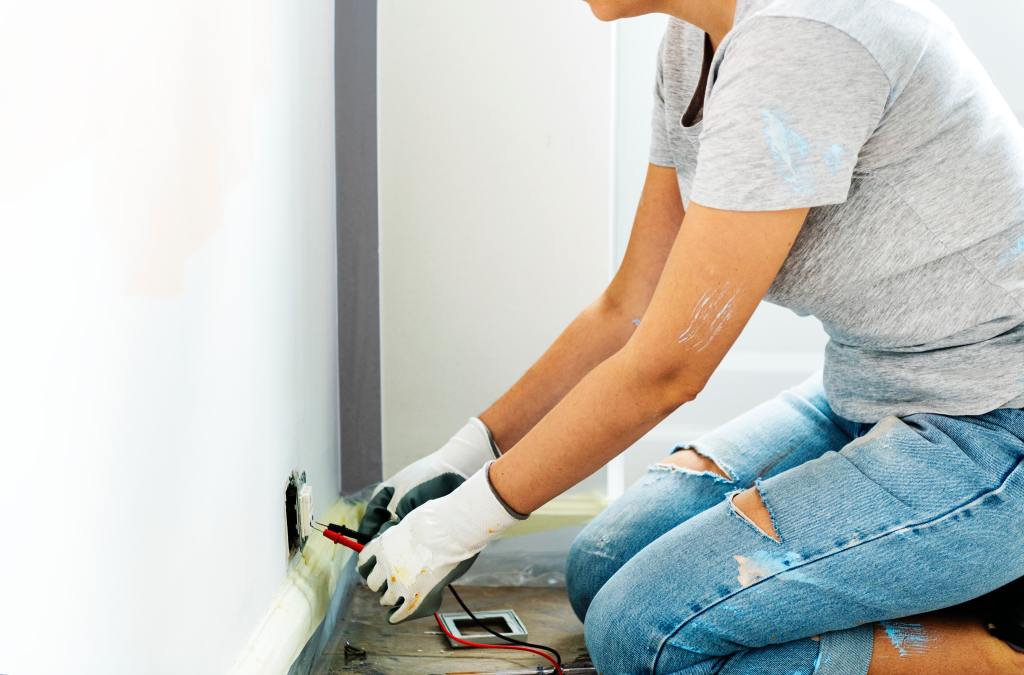
- Test that the circuit is dead using a reliable voltage tester
- Never rely solely on wall switches to isolate power
Warning Signs to Stop Work
Stop immediately and call a licensed electrician if you encounter:
- Wiring colours or configurations you don’t understand
- Signs of previous damage, overheating, or modifications
- Water damage or dampness
- Multiple wires connected to single terminals
- Any unexpected challenges or complications
Cost Comparison: DIY vs Professional
True Cost Analysis
While DIY might seem cheaper initially, consider the potential costs of:
- Regulatory fines (tens of thousands of dollars)
- Hospital bills for injuries
- Property damage from electrical fires
- Insurance claim denials
- Reduced property value
- Having faulty work redone professionally
Value of Professional Work
Licensed electricians provide more than just labour – they offer expertise, compliance with regulations, warranties on workmanship, and peace of mind. Many also offer guarantees and follow-up service that prove valuable over time.
Finding a Reliable Electrician
Verification Process
When hiring an electrician:
- Ask to see their electrical licence
- Check if they’re insured (public liability insurance)
- Request references or read online reviews
- Get a detailed written quote before work begins
- Ensure they’ll provide compliance certificates upon completion
Warning Signs
Be wary of electricians who:
- Offer unusually low prices
- Can’t produce a valid licence
- Are unwilling to provide written quotes
- Don’t carry proper testing equipment
- Suggest shortcuts around regulations
Conclusion
While the DIY approach might be suitable for many home projects, electrical work rarely falls into this category. The risks – physical harm, property damage, legal penalties, and insurance complications – simply outweigh the potential cost savings. When electrical issues arise in your home, connecting with reliable professionals like Carda Electrics ensures the job is done safely, legally, and correctly. Remember that even seemingly simple electrical tasks can have complex safety implications, and no amount of money saved is worth risking your family’s safety or your home’s integrity.

Leave A Comment